
Why Clothing Brands Fail in Their First 3 Years
Launching a clothing brand is an exciting journey. Many entrepreneurs enter the fashion industry with creative ideas, unique designs, and a vision to build a successful label. However, the reality is that a significant number of clothing brands struggle to survive beyond their first three years. Understanding the common reasons behind these failures can help new business owners avoid costly mistakes and build a stronger foundation for long-term success.
Lack of Market Research
One of the biggest reasons clothing brands fail is inadequate market research. Many entrepreneurs create products based solely on personal preferences without understanding customer demand.
Successful brands identify their target audience, analyze competitors, and study market trends before launching. Without this information, businesses often produce clothing that fails to resonate with customers.
Solution: Conduct thorough research to understand customer preferences, pricing expectations, shopping habits, and emerging fashion trends.


Weak Brand Identity
In today’s competitive fashion industry, simply selling clothes is not enough. Customers are attracted to brands that have a clear identity and purpose.
Many startups fail because they lack a unique brand story, consistent messaging, or a distinct visual identity. When consumers cannot differentiate a brand from hundreds of similar competitors, they are unlikely to remember or support it.
Solution: Develop a strong brand identity that includes a compelling story, consistent logo, visual aesthetics, and clear values.
Poor Financial Management
Cash flow problems are among the most common causes of business failure. Many clothing brands underestimate expenses such as production costs, marketing, inventory management, shipping, and website maintenance.
Overspending during the early stages can quickly drain resources and create financial instability.
Solution: Create a realistic budget, monitor expenses carefully, and maintain sufficient reserves to handle unexpected challenges

Inventory Mismanagement
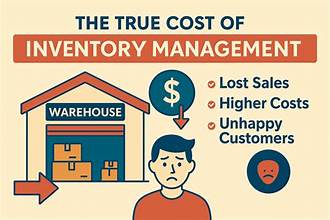
Inventory management can make or break a clothing business. Ordering too much inventory can lead to unsold stock and financial losses, while ordering too little can result in missed sales opportunities.
Many new brands struggle to predict customer demand accurately.
Solution: Start with smaller production runs, analyze sales data, and gradually scale inventory based on actual demand.

Ineffective Marketing Strategies
Even the best products cannot succeed if potential customers never discover them. Many clothing brands invest heavily in product development but neglect marketing.
Without visibility, customer acquisition becomes extremely difficult.
Common marketing mistakes include:
- Inconsistent social media activity
- Poor content quality
- Lack of influencer collaborations
- Ignoring email marketing
- No search engine optimization (SEO)
Solution: Develop a comprehensive marketing strategy that combines social media, content marketing, influencer partnerships, and paid advertising.
Poor Product Quality
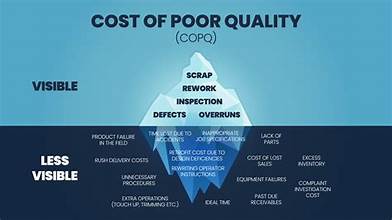
Consumers expect clothing that looks good, feels comfortable, and lasts through repeated use. Poor stitching, low-quality fabrics, and inconsistent sizing can quickly damage a brand’s reputation.
Negative reviews spread rapidly online and can significantly impact future sales.
Solution: Prioritize quality control and work with reliable manufacturers who maintain high production standards.

Unrealistic Pricing
Pricing products incorrectly is another major challenge for new clothing brands.
Prices that are too high may discourage potential buyers, while prices that are too low can reduce profit margins and create doubts about product quality.
Solution: Research competitor pricing and calculate all costs before setting retail prices.
Failure to Adapt to Trends
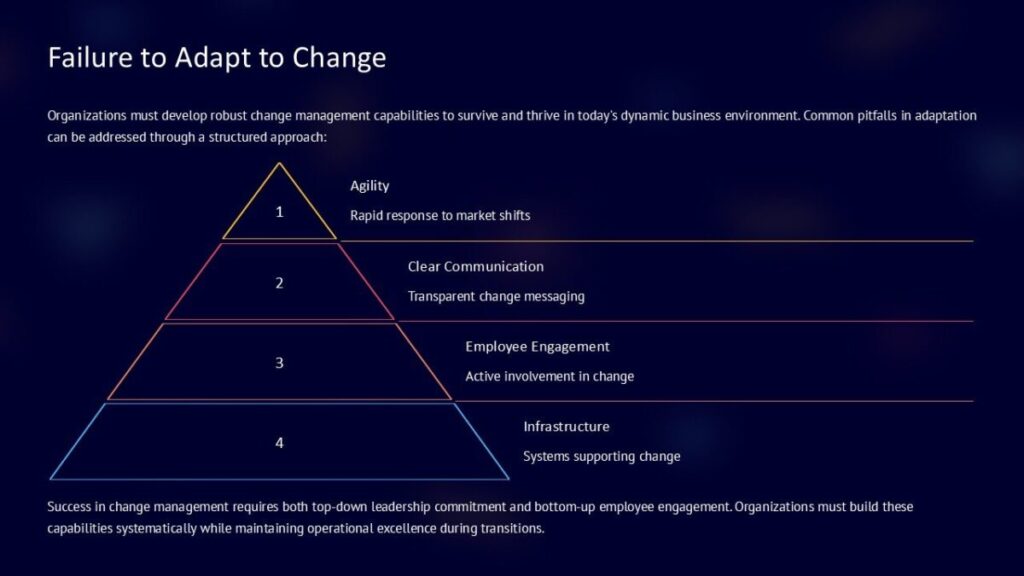
Fashion is constantly evolving. Brands that ignore changing consumer preferences often struggle to stay relevant.
While maintaining a consistent brand identity is important, flexibility is equally essential.
Solution: Monitor industry trends, customer feedback, and market changes regularly to identify new opportunities.

Lack of Long-Term Vision
Many clothing brands focus solely on short-term sales rather than sustainable growth. Without a clear roadmap, businesses often struggle to scale effectively.
Successful brands continuously invest in product development, customer relationships, and operational improvements.
Solution: Create a long-term business strategy with measurable goals and growth milestones.
Conclusion
The first three years are often the most challenging period for any clothing brand. Failure usually results from a combination of factors, including poor planning, weak branding, ineffective marketing, financial mismanagement, and failure to understand customer needs.